
Social Event
The Tokugawa Art Museum and Dinner afterwards
Saturday, July 4, 2026
18:00h – 21:00h
– Registration required –
80 Euro per person
***Limited seats available***
Transportation by bus/subway
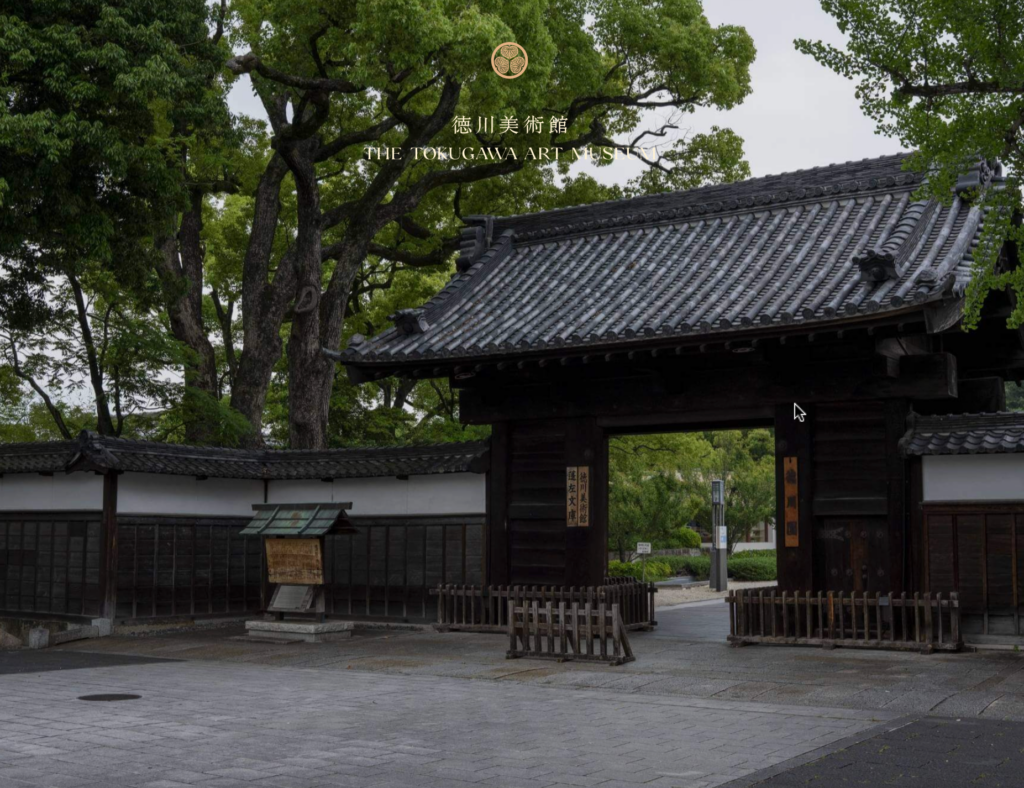
Excerpt of the Museum Website:
“The Tokugawa Art Museum houses and exhibits a number of treasures that have been handed down in the Owari Tokugawa family, the first of the three great families of the Tokugawa dynasty. The museum was established in 1935 by Yoshichika Tokugawa, the 19th head of the Owari Tokugawa family, for the purpose of passing on the culture of the feudal lords to future generations, The museum opened in Nagoya in 1935 and is headed by the head of the Owari Tokugawa family. The first head of the Owari Tokugawa family was Yoshinao Tokugawa, the ninth son of Ieyasu Tokugawa, who founded the Edo shogunate. Yoshinao Tokugawa was the late son of Ieyasu Tokugawa, and was given the important country of Owari at an early age, becoming an independent feudal lord. When Tokugawa Ieyasu left the world, most of the estate at Sunpu Castle went to Tokugawa Yoshinao of Owari, Tokugawa Yorinobu (10th son) of Kii and Tokugawa Yorifusa (11th son) of Mito. These three families were the feudal lords who played the role of supporting the shogunate family succeeded by their elder brother, Hidetada, The Owari Tokugawa family was considered the first among them. Among the so-called “Sumpu-Owakemono,” the belongings left behind by Tokugawa Ieyasu, a man of the world, In addition to Ieyasu’s own personal belongings, there are also items belonging to the Ashikaga shoguns, Oda Nobunaga, Toyotomi Hideyoshi, and other historical figures, Ieyasu’s personal belongings, the so-called “Sunpu wakimono” also included many masterpieces related to the Ashikaga shoguns, Oda Nobunaga, Toyotomi Hideyoshi, and other statesmen who colored history, These items have since been carefully handed down by the Owari Tokugawa family. The Owari Tokugawa family, which was the first of the three families after Yoshinao I, was in an environment where masterpieces were gathered. As they were handed down from one generation to the next, the “daimyo’s tools” such as arms, tea ceremony utensils, Noh tools, paintings, wedding furniture, and so on, were accumulated. These items included weapons, tea ceremony utensils, Noh tools, paintings, and wedding furnishings. At the same time, these items, which could be called the Qing of the Daimyo culture, were managed from generation to generation in a “tool book” (kurachou), Records of events, history, evaluation, and receipts and disbursements were kept. In this way, a treasure trove of records and works that transcended time was formed, a rarity in the world. After the Meiji Restoration, Tokugawa Yoshichika saw the daimyo’s tools scattered from the old daimyo families in the severe current of the times, In 1931, he established the Owari Tokugawa Reimeikai Foundation with the aim of passing on the inheritances of the Owari Tokugawa family and the Daimyo culture, In 1935, he opened the Tokugawa Art Museum. It was Yoshichika’s wise decision at that time that enabled us to introduce the Daimyo culture in a coherent form today. What is Daimyo Culture? What is the Daimyo culture? The Tokugawa Art Museum will continue to be a museum that can answer the questions “What is Daimyo culture? The Tokugawa Art Museum will continue to protect cultural assets and connect them to a prosperous future.”
Join us for CARS 2026, July 2 – 5, in Nagoya, Japan
